INGLIANDO – “How would you describe me?” Usi di “likely”
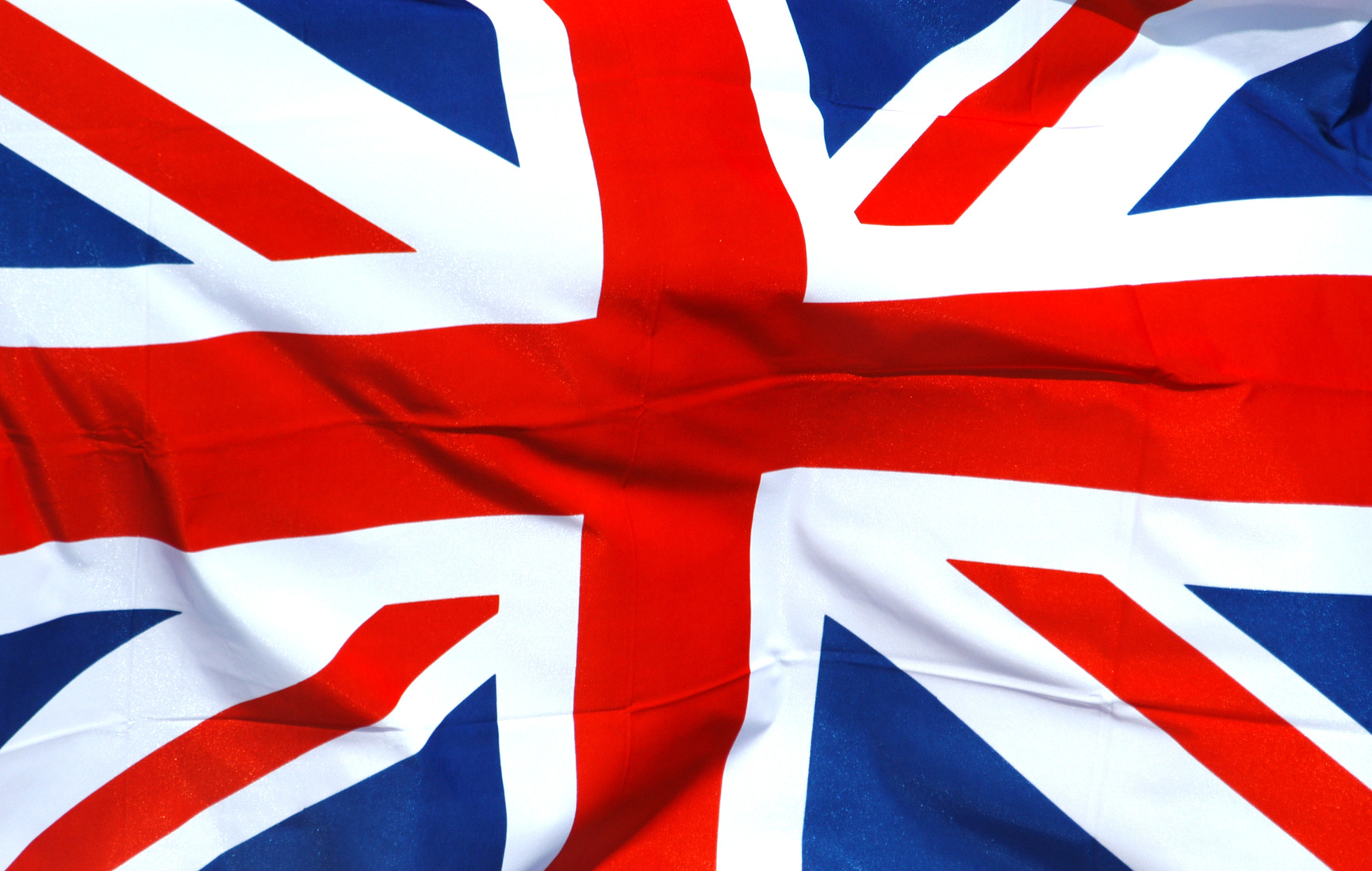
National flag of Great Britain
Likely è una piccola parola molto utile nella lingua parlata (e anche scritta) che viene usata spesso quando vogliamo fare riferimento alla probabilità che qualcosa accada. Principalmente usato come aggettivo o come aggettivo predicativo, likely si può usare sia in una costruzione impersonale (it’s likely that…) che personale, e molto spesso lo stesso concetto può essere espresso in tutti e due i modi. La forma personale, comunque, tende ad essere meno complessa e di conseguenza molto più usata. Però è anche una forma meno ‘italiana’ come si evince dagli esempi che seguono.
► Affermativa
It‘slikelythattherewillbe queues on the motorway this morning.
There arelikelyto be queues on the motorway this morning.
È probabile che ci siano delle code sull’autostrada stamattina.
It’s likelythatBobwill buy some wine on his way home.
Bob is likelyto buy some wine on his way home
È probabile che Bob compri del vino sulla strada per casa.
It’s likelythatthe roadwill flood with all this rain.
The road islikelyto flood with all this rain.
È probabile che la strada si allaghi con tutta questa pioggia.
It’slikelythatJane will want to come with us.
Jane islikelyto want to come with us.
È probabile che Jane voglia venire con noi.
It’slikelythatthese caravanswill be here all weekend.
These caravans arelikeyto be here all weekend.
È probabile che queste roulotte stiano qui tutto il fine settimana.
N.B. Quando il soggetto della frase è it, la prima forma diventa piuttosto ridondante:
Take your umbrella. It’slikelythatit will rain. ✘
Take your umbrella. It’slikelyto rain. ✓
Porta l’ombrello. È probabile che piova.
Move that vase. It’slikely that it will fall. ✘
Move that vase. It’slikelyto fall. ✓
Sposta quel vaso. È probabile che cada.
► Interrogativa
Is itlikelythatthe teachers will go on strike?
Are the teacherslikelyto go on strike?
È probabile che gli insegnanti scioperino?
Is it likelythatthis wine will stain the tablecloth?
Is this winelikelyto stain the tablecloth?
È probabile che questo vino macchi la tovaglia?
Is it likelythatTom will arrive first?
Is Tomlikelyto arrive first?
È probabile che Tom arrivi per primo?
Is itlikelythatthese trees will be cut down?
Are these treeslikelyto be cut down?
È probabile che questi alberi vengano abbattuti?
Is it likelythatwe will find the house without a map?
Are welikelyto find the house without a map?
È probabile che troviamo la casa senza una mappa?
N.B.Likely può essere combinato con how per chiedere quante sono le probabilità:
How likelyisitthattheywill move house?
How likelyaretheyto move house?
Quanto è probabile che essi si trasferiscano?
How likelyisitthatSarahwill pass the exam?
How likelyisSarahto pass the exam?
Quanto è probabile che Sarah superi l’esame?
► Negativa
Itisn’tlikelythatthis ideawill work.
This idea isn’tlikelyto work.
È improbabile che quest’idea funzioni.
Itisn’tlikelythatthe childrenwill want to rest.
The children aren’tlikelyto want to rest.
È improbabile che i ragazzi vogliano riposarsi.
Itisn’tlikelythatthe showwill start on time.
The show isn’tlikelyto start on time.
È improbabile che lo spettacolo cominci in orario.
Itisn’tlikelythatthese kittenswill survive.
These kittens aren’tlikelyto survive.
È improbabile che questi gattini sopravvivano.
Itisn’tlikelythatJuventuswill win the cup.
Juventus isn’tlikelyto win the cup.
È improbabile che Juventus vinca la coppa.
N.B. Una validissima alternativa alla forma negativa si ottiene con l’uso di unlikely(già di per sé negativa):
It’sunlikelythatthe childrenwill want to rest.
The children areunlikelyto want to rest.
È improbabile che i ragazzi vogliano riposarsi.
It’sunlikelythatJuventuswill win the cup.
Juventus isunlikelyto win the cup.
È improbabile che la Juventus vinca la coppa.
Appunto Finale
Essendo un aggettivo, possiamo naturalmente anche usare le seguenti forme:
quite likely ~ abbastanza probabile
very likely ~ molto probabile
more likely ~ più probabile
the most likely ~ il più probabile
Dai un’occhiata alle lezioni precedenti di Ingliando!
Tony Lawson
Il Prof. Tony Lawson insegna inglese nel Dipartimento di Scienze Politiche e Sociali dell’Università di Catania dal 1987 dove si è specializzato nell’insegnamento ai principianti assoluti e ai falsi principianti e dove ha acquisito parecchia familiarità con i problemi e gli errori tipici di chi lotta quotidianamente nel tentativo di cavarsela con la lingua inglese.
CATANIA – Sono passate poco più di 48 ore dal decollo del primo volo diretto…
2 Aprile 2026
Questo sito utilizza cookie tecnici e cookie di profilazione di terze parti per la gestione pubblicitaria. Puoi esprimere le tue preferenze sui singoli programmi pubblicitari cliccando su "maggiori informazioni". Scorrendo questa pagina o cliccando in qualunque suo elemento, acconsenti all'uso dei cookie.